What Is Dog Tracking?
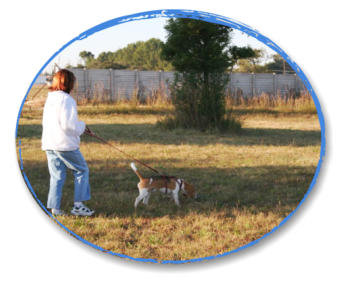
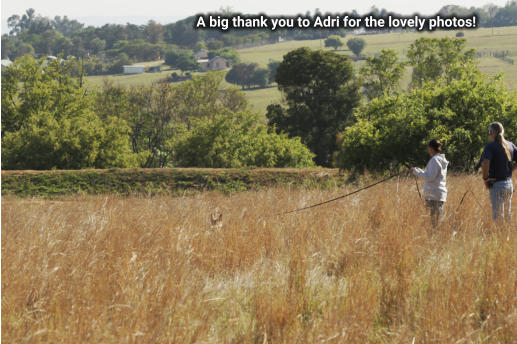
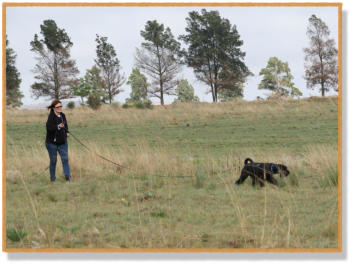
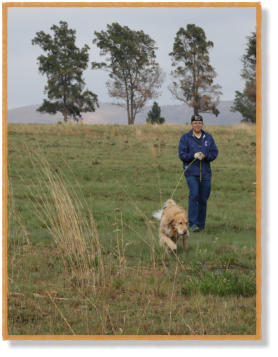
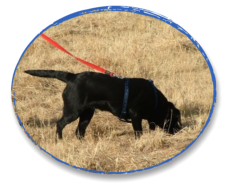
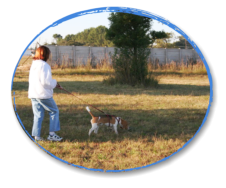
In tracking, a person walks a predetermined
route across an area, leaving behind a scent
trail for the dog to follow.
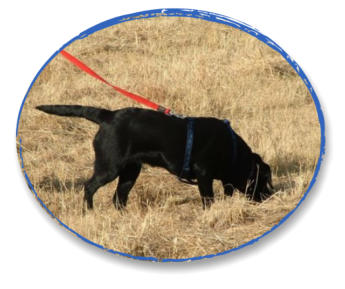
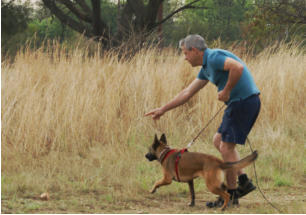
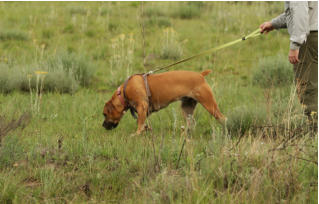
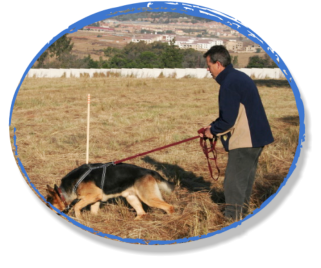
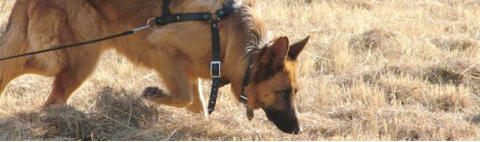
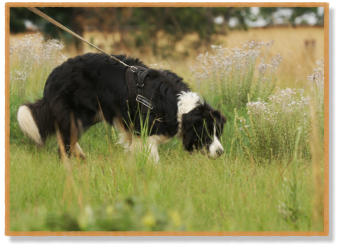
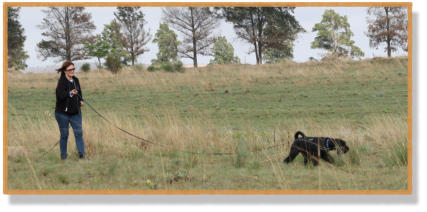
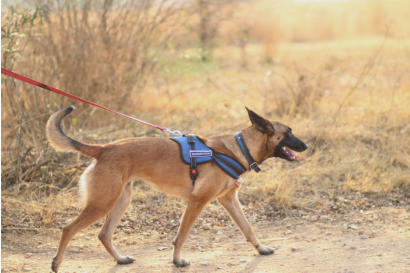
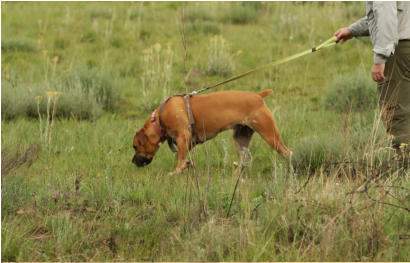
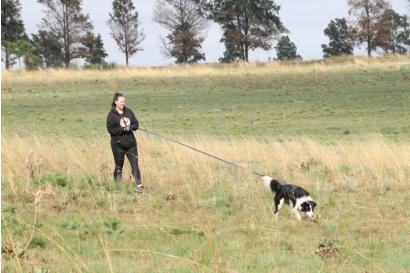
The dog works in a tracking harness on a long
line, using scent to determine where the track
has gone. As training progresses, tracks
become longer and more challenging and may
incorporate changes of direction, different
terrain and articles for the dog to locate.
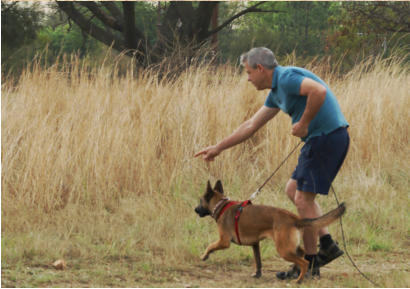
Unlike obedience, where the handler gives the
dog detailed instructions, tracking allows the
dog to take the lead.
The handler's job is to learn to read and trust
their dog.
How Do Dogs Learn to Track?
Training starts with short, straightforward
tracks designed to help the dog understand the
game.
As the dog's ability develops, we gradually
introduce:
•
Longer tracks
Building concentration and scenting
endurance.
•
Changes of direction
Teaching dogs to work through corners
and changes in the scent trail.
•
Different terrain
Giving dogs experience working scent in
varying environmental conditions.
•
Articles
Dogs learn to locate items placed along
the track.








© McKaynine (Pty) Ltd t/a McKaynine Training Centre - Established 1999

Tracking
Let your dog put their extraordinary nose to work
Dogs experience the world through scent, and
tracking gives them an opportunity to use
that remarkable natural ability with
purpose.
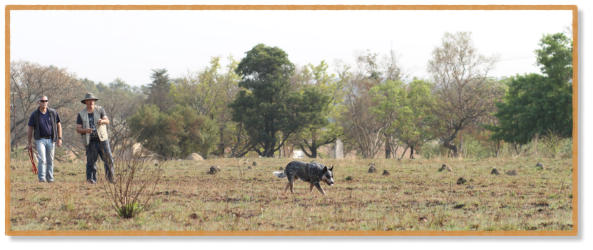
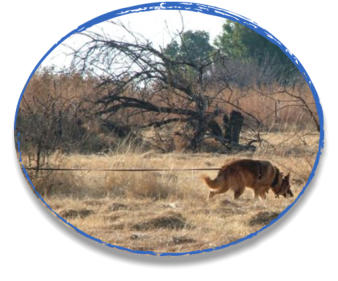
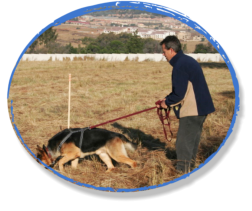
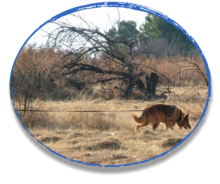
In McKaynine Tracking classes in Johannesburg,
dogs learn to follow a human scent trail across
natural terrain, working progressively more
challenging tracks as their skills and confidence
develop.
Tracking provides dogs with physical exercise, intense mental stimulation and an opportunity to
do something they are naturally exceptionally good at - using their nose.
What Are the Benefits of Tracking for Dogs?
Tracking is much more than simply following a scent trail. It provides:
•
Intense mental stimulation
•
An outlet for natural scenting
behaviour
•
Physical exercise without frantic
activity
•
Increased confidence and
independence
•
Improved concentration
•
A rewarding activity for dog and
handler
•
An opportunity for dogs to use their
natural abilities
Because the dog does much of the decision-making, tracking can also be enormously satisfying
for dogs that thrive when they're given a job to do.
Does My Dog Need Special
Equipment?
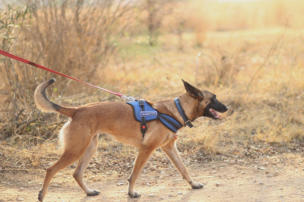
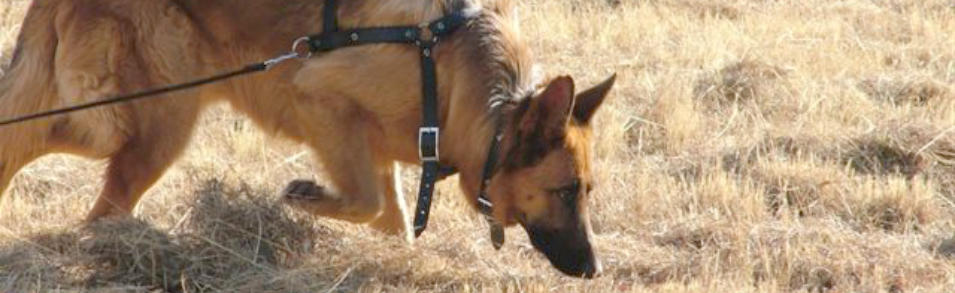
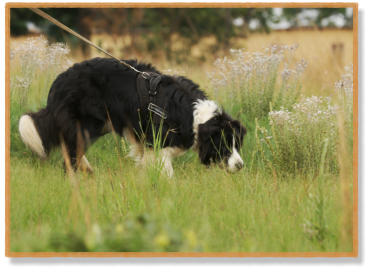
Yes. Dogs work in a properly fitted tracking
harness and long tracking line.
A tracking harness allows the dog to move
comfortably ahead of the handler and makes
a clear distinction between everyday lead
walking and tracking work.
We can advise new handlers on suitable
equipment before they begin.
Can Any Breed Learn to Track?
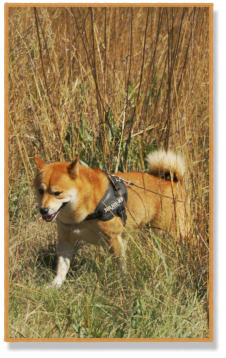
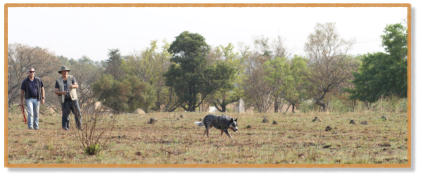
You don't need a Bloodhound!
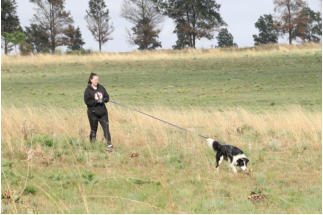
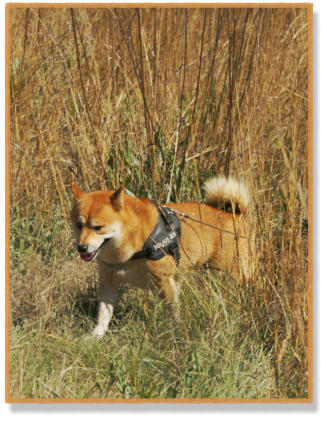
Dogs of many different breeds can enjoy
tracking.
While some breeds have been specifically
developed for scenting and tracking work, the
ability to follow scent isn't limited to traditional
working breeds. We've trained dogs of many
breeds, shapes and sizes to track successfully.
What matters far more is whether the individual
dog enjoys using their nose and wants to play
the game.
Does My Dog Need Obedience Training First?
Dogs need sufficient basic training to participate safely and comfortably, but tracking is quite
different from formal obedience.
If you're unsure whether your dog is ready to join the class, contact us and we'll advise you on
the most appropriate starting point.
Tracking Classes in Johannesburg
McKaynine Tracking classes are held on Saturday mornings near our Honeydew training centre
in Johannesburg.
Classes are led by Steve McClean, one of
South Africa's most highly experienced
Working Trials instructors, with decades of
practical experience in tracking and
working dog training.
McKaynine tracking dogs and handlers
have achieved numerous qualifications
over the years, but competition is entirely
optional. You're just as welcome if your
goal is simply to enjoy tracking with your
dog.
New to Tracking?
Try it before committing to a regular class
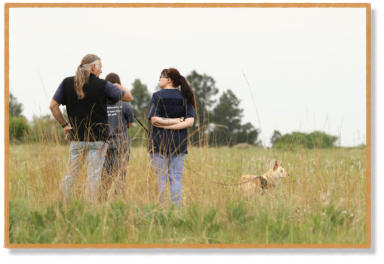
Our Tracking classes are popular and places are
limited. When space allows, our First Timer option
gives newcomers an opportunity to experience a
tracking session before joining the regular programme.
If you and your dog catch the tracking bug, you can
then ask to be added to the waiting list for a permanent
place.
Is tracking the same as scent work?
No. In tracking, dogs follow a scent trail left by a person moving through an environment. Scent Work
involves searching for and locating specific target odours. Both use a dog's extraordinary sense of
smell, but they are different activities.
Does my dog need to be a working breed?
No. Dogs of many breeds can learn to track. Enjoyment of scenting and the individual dog's motivation
are much more important than breed.
Do I need a tracking harness?
Yes. Dogs work in a suitable tracking harness and on a long line. We can advise you about equipment
before you start.
Where are McKaynine Tracking classes held?
Tracking takes place on Saturday mornings near our Honeydew facility in Johannesburg.
Can I try tracking before joining permanently?
When space is available, our First Timer option allows new handlers and dogs to experience a tracking
session before joining the regular programme.










(C) McKaynine (Pty) Ltd t/a McKaynine Training/Centre
Established 1999

What Is Dog Tracking?
In tracking, a person walks a predetermined route
across an area, leaving behind a scent trail for the
dog to follow.
The dog works in a tracking
harness on a long line, using
scent to determine where
the track has gone. As
training progresses,
tracks become longer
and more challenging and
may incorporate changes of
direction, different terrain and
articles for the dog to locate.
Unlike obedience, where the handler gives the dog
detailed instructions, tracking allows the dog to take
the lead.
The handler's job is to learn to read and trust their
dog.
How Do Dogs Learn
to Track?
Training starts with short,
straightforward tracks
designed to help the dog
understand the game.
As the dog's ability develops, we gradually introduce:
•
Longer tracks
Building concentration and scenting endurance.
•
Changes of direction
Teaching dogs to work through corners and
changes in the scent trail.
•
Different terrain
Giving dogs experience
working scent in
varying
environmental
conditions.
•
Articles
Dogs learn to locate
items placed along the
track.
Tracking
Let your dog put their extraordinary
nose to work
Dogs experience the world through scent, and
tracking gives them an opportunity to use that
remarkable natural ability with purpose.
In McKaynine Tracking
classes in
Johannesburg, dogs
learn to follow a
human scent trail
across natural
terrain, working
progressively more
challenging tracks as
their skills and confidence
develop.
Tracking provides dogs with physical exercise,
intense mental stimulation and an opportunity to do
something they are naturally exceptionally good at -
using their nose.
What Are the Benefits of Tracking for
Dogs?
Tracking is much more than simply following a
scent trail. It provides:
•
Intense mental stimulation
•
An outlet for natural scenting behaviour
•
Physical exercise without frantic activity
•
Increased confidence and independence
•
Improved concentration
•
A rewarding activity for dog and handler
•
An opportunity for dogs to use their natural
abilities
Because the dog does much of the decision-
making, tracking can also be enormously satisfying
for dogs that thrive when they're given a job to do.
Does My Dog Need Special
Equipment?
Yes. Dogs work in a properly fitted tracking harness
and long tracking line.
A tracking harness allows the dog to move
comfortably ahead of the handler and makes a
clear distinction between everyday lead walking
and tracking work.
We can advise new handlers on suitable equipment
before they begin.
Can Any Breed Learn to Track?
You don't need a Bloodhound!
Dogs of many different breeds can enjoy tracking.
While some breeds
have been specifically
developed for scenting
and tracking work, the
ability to follow scent
isn't limited to
traditional working
breeds. We've trained
dogs of many breeds,
shapes and sizes to
track successfully.
What matters far more
is whether the
individual dog enjoys
using their nose and wants to play the game.
Does My Dog Need Obedience
Training First?
Dogs need sufficient basic training to participate
safely and comfortably, but tracking is quite
different from formal obedience.
If you're unsure whether your dog is ready to join
the class, contact us and we'll advise you on the
most appropriate starting point.
Tracking Classes in Johannesburg
McKaynine Tracking classes are held on Saturday
mornings near our Honeydew training centre in
Johannesburg.
Classes are led by Steve McClean, one of South
Africa's most
highly
experienced
Working Trials
instructors, with
decades of
practical
experience in
tracking and
working dog training.
McKaynine tracking dogs and handlers have
achieved numerous qualifications over the years,
but competition is entirely optional. You're just as
welcome if your goal is simply to enjoy tracking
with your dog.
New to Tracking?
Try it before committing to a regular class
Our Tracking classes are
popular and places are
limited. When space
allows, our First Timer
option gives newcomers
an opportunity to
experience a tracking
session before joining the
regular programme.
If you and your dog catch
the tracking bug, you can
then ask to be added to
the waiting list for a permanent place.

Is tracking the same as scent work?
No. In tracking, dogs follow a scent trail left by
a person moving through an environment.
Scent Work involves searching for and
locating specific target odours. Both use a
dog's extraordinary sense of smell, but they
are different activities.
Does my dog need to be a working breed?
No. Dogs of many breeds can learn to track.
Enjoyment of scenting and the individual dog's
motivation are much more important than
breed.
Do I need a tracking harness?
Yes. Dogs work in a suitable tracking harness
and on a long line. We can advise you about
equipment before you start.
Where are McKaynine Tracking classes held?
Tracking takes place on Saturday mornings
near our Honeydew facility in Johannesburg.
Can I try tracking before joining permanently?
When space is available, our First Timer option
allows new handlers and dogs to experience a
tracking session before joining the regular
programme.